

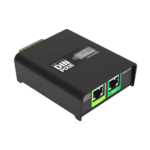
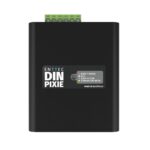
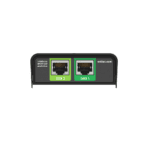
Description
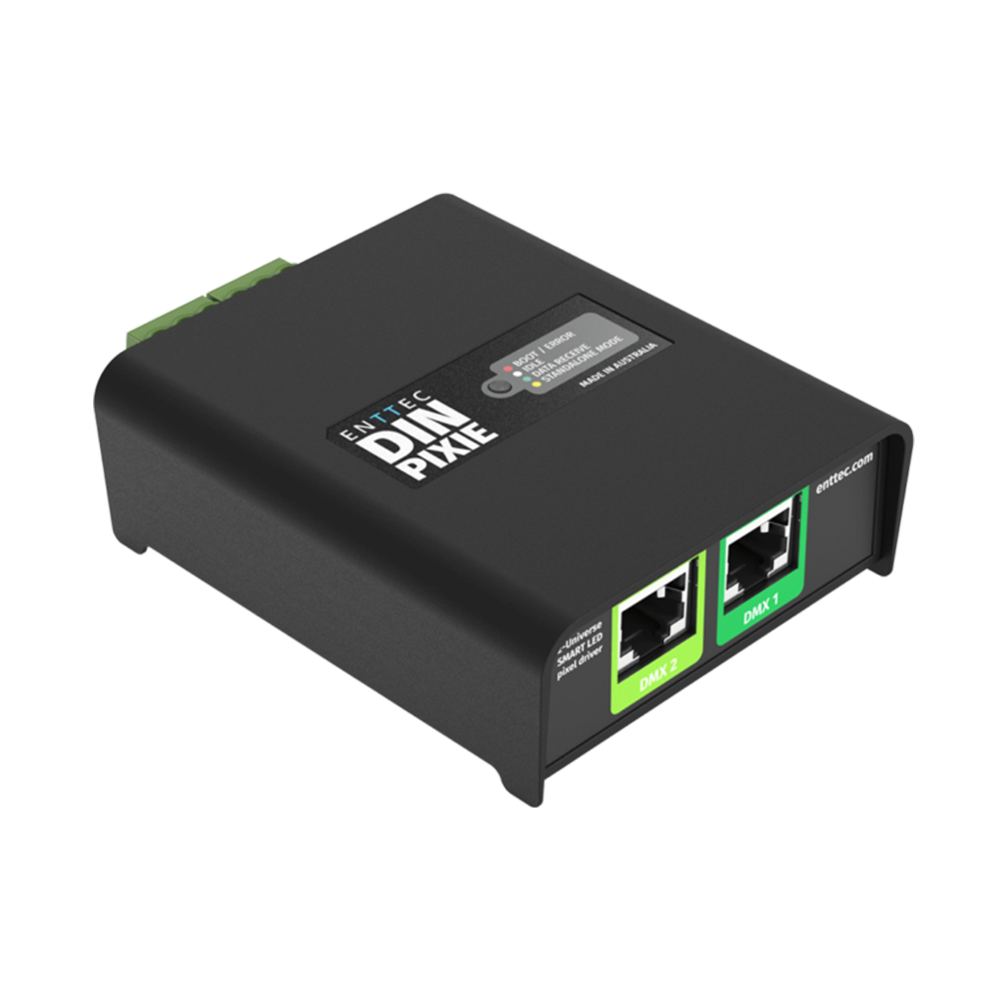
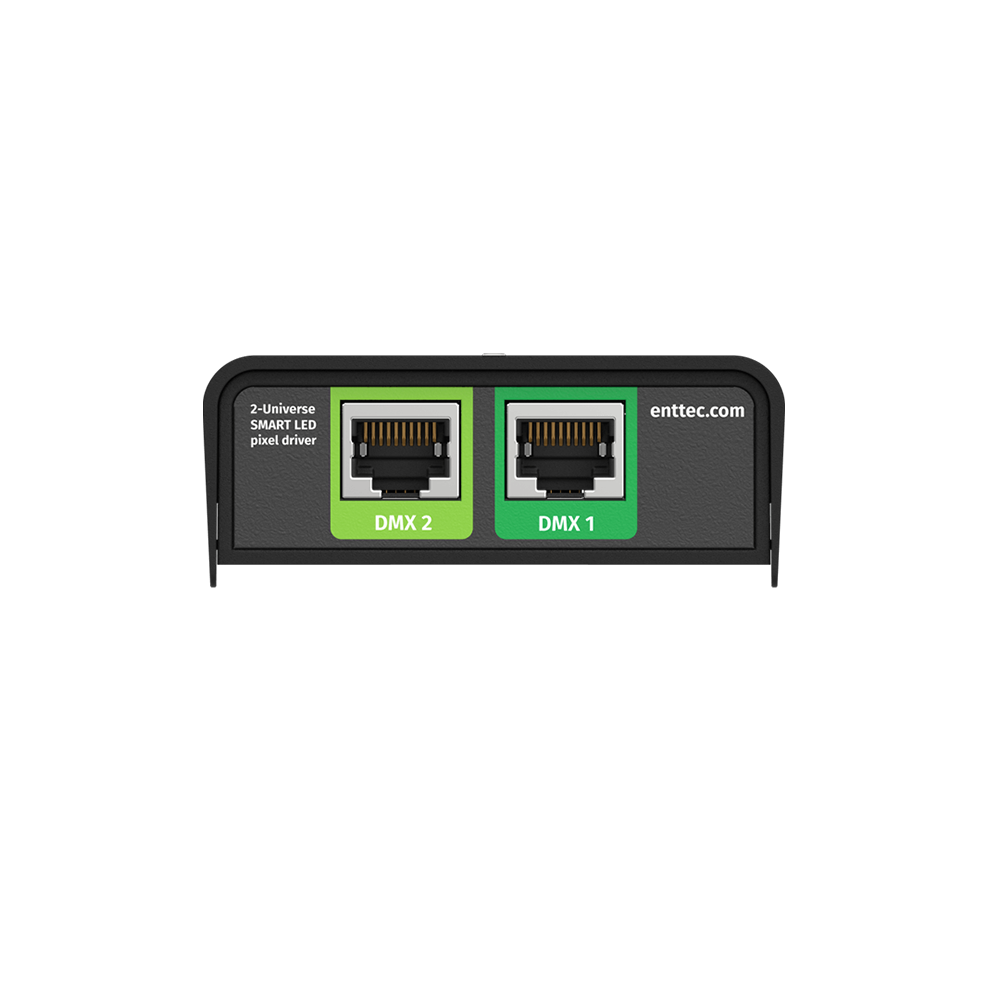
ENTTEC DIN PIXIE simplifies complex lighting setups with its versatile input modes and output options. In DMX mode, it takes in 1 DMX universe per port and controls a total of 2 universes SPI pixels. However, in USB mode and when recording from Art-Net using EMU Software for a standalone show, it unleashes its full potential, offering an impressive 4 universes of SPI pixel control.
Users can seamlessly switch between live control and standalone mode and make use of advanced grouping functions and precise DMX-512A data distribution across two output ports. These ports support numerous protocols including custom protocol creation (criteria apply, see user manual), offering flexibility for various installation needs.
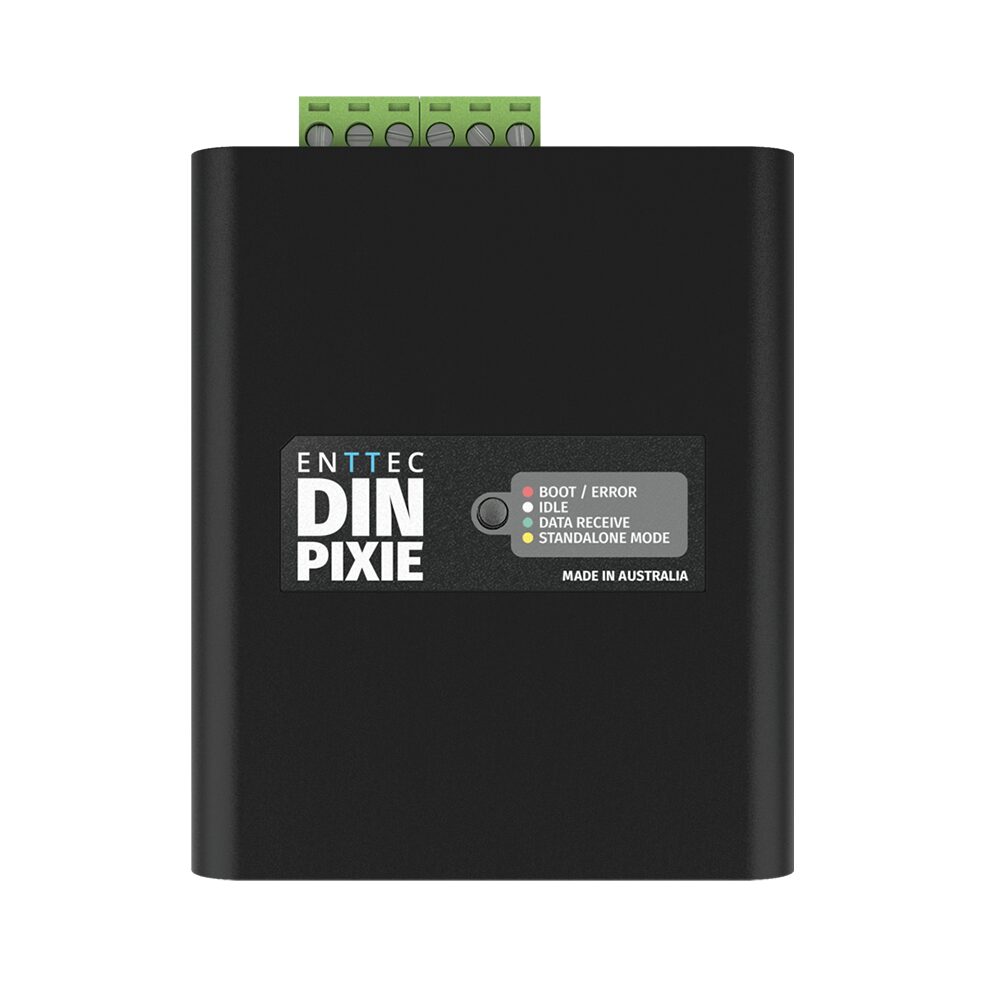
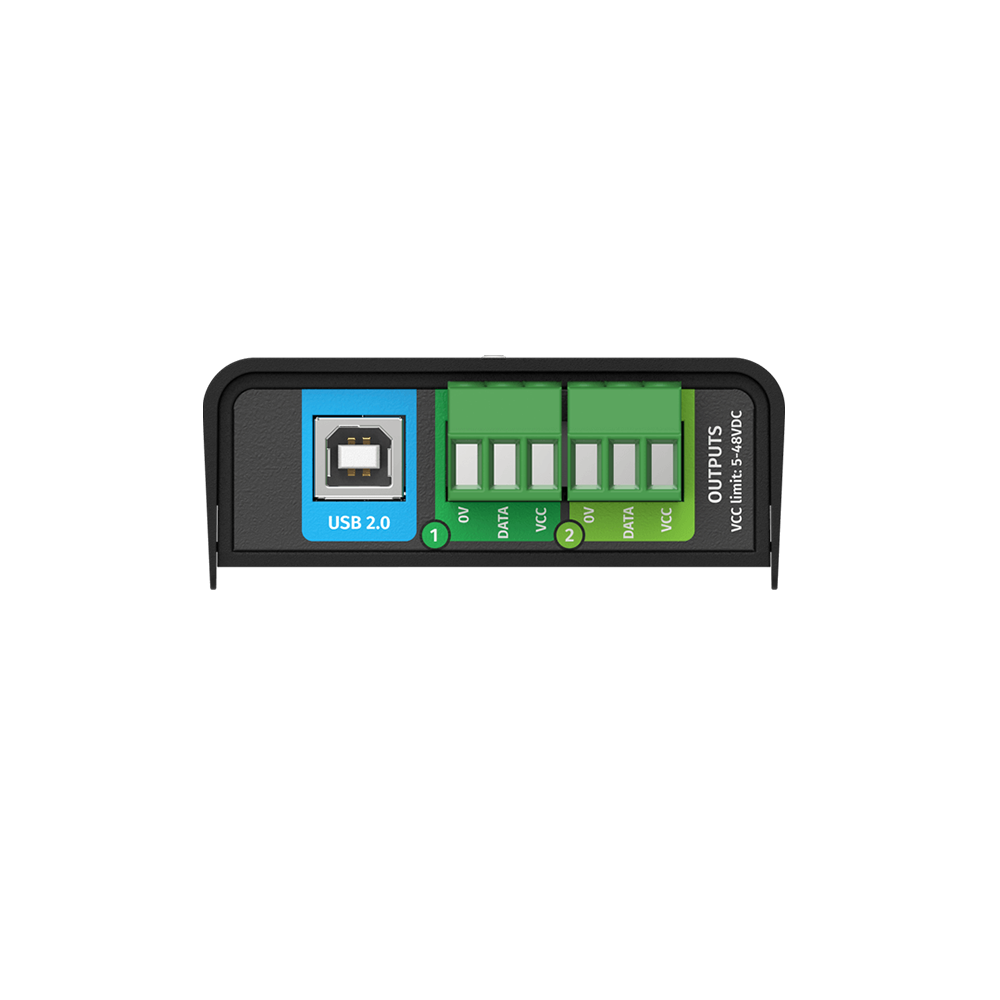
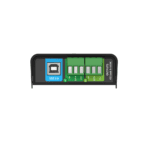
In standalone mode, DIN PIXIE can record and playback pre-recorded sequence with options like play count, loop delay, and play on power-up. The user-friendly device allows easy configuration, updates, and standalone show uploads through a robust USB type-B port via ENTTEC’s free EMU software. Alternatively, users can control it through the USB Type-B connector using the API.
With a broad power input range of 5-48vDC, it’s compatible with various LED pixel strips and dots when connected to the same power source. DIN PIXIE truly simplifies lighting control.
Features
- Controls/records up to 4 universes SPI pixels
- Operates between USB Mode, DMX Mode or Standalone Mode.
- 2U pixel control when receiving 1U DMX512 per port in DMX Mode.
- 4U pixel control when recording or using live input in USB Mode.
- Supports over 20 SPI protocols and custom protocols for pixel strips and dots.
- Records from either Art-Net or DMX port for Standalone show playback using inbuilt flash memory (4000 frames [~100 seconds]).
- Precisely configures data distribution across two output ports with advanced output controls: DMX start address and pixel grouping function.
- Option to play a show on DMX loss or blackout output.
- All ports feature ESD surge protection and resettable fuses to block external faults & electrical noise propagation through control infrastructure.
- Configuration and updates via USB Type-B port using EMU software.
- Backward compatible with API for USB -> SPI control.